How Gutting Houses In New Orleans Became a Gospel Movement — 20 Years of InterVarsity ServeUp
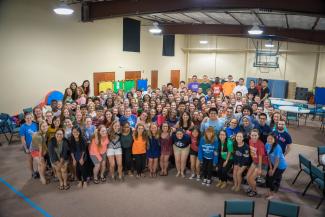
In the 20 years since InterVarsity ServeUp began, 9,000 college students have served in disaster relief, including 4,000 non-Christians — with 600 putting their faith in Jesus.
Hurricane Katrina devastated New Orleans in 2005, claiming nearly 1,400 lives, flooding 80% of the city, and ranking as the costliest natural disaster in U.S. history.
Months later, during the following spring break, InterVarsity New England led students on a trip to rebuild homes. Most were Christians involved with InterVarsity. Others had no interest in faith but simply wanted to help.
What began as a one-time response to disaster became two decades of rebuilding, evangelism, partnership, and leadership development.
Mutual Blessing Through Partnership
From 2005-2026, ServeUp partnered with around 20 local New Orleans organizations. Partners educated students about the history and culture of New Orleans, including ongoing struggles with systemic injustice.
Many ask why New Orleans still needed help 20 years after Katrina. Once known for having the highest rate of Black homeownership in the country, 100% of the homes in Lower Ninth Ward were rendered uninhabitable after Katrina. Issues like discrimination in the distribution of federal resources, owners passing houses down informally, scammers taking advantage of the elderly, poverty, and more slowed the neighborhood’s recovery.
Laura Paul, executive director of local non-profit Lower9.org, partnered with ServeUp for several years.
"While disasters may not discriminate, recovery certainly does,” she explained. “Impediments to recovery are always going to be more felt in lower-income neighborhoods.”
Sherdren Burnside, educator and community builder, played an important role in teaching InterVarsity students about the issues residents face as they rebuild their communities. As a New Orleans native, Sherdren also helped InterVarsity partner well with the homeowners they served.
“There was a way in which ServeUp showed up over time and said to the community, ‘We’re doing this with you, not for you,’” Sherdren said.
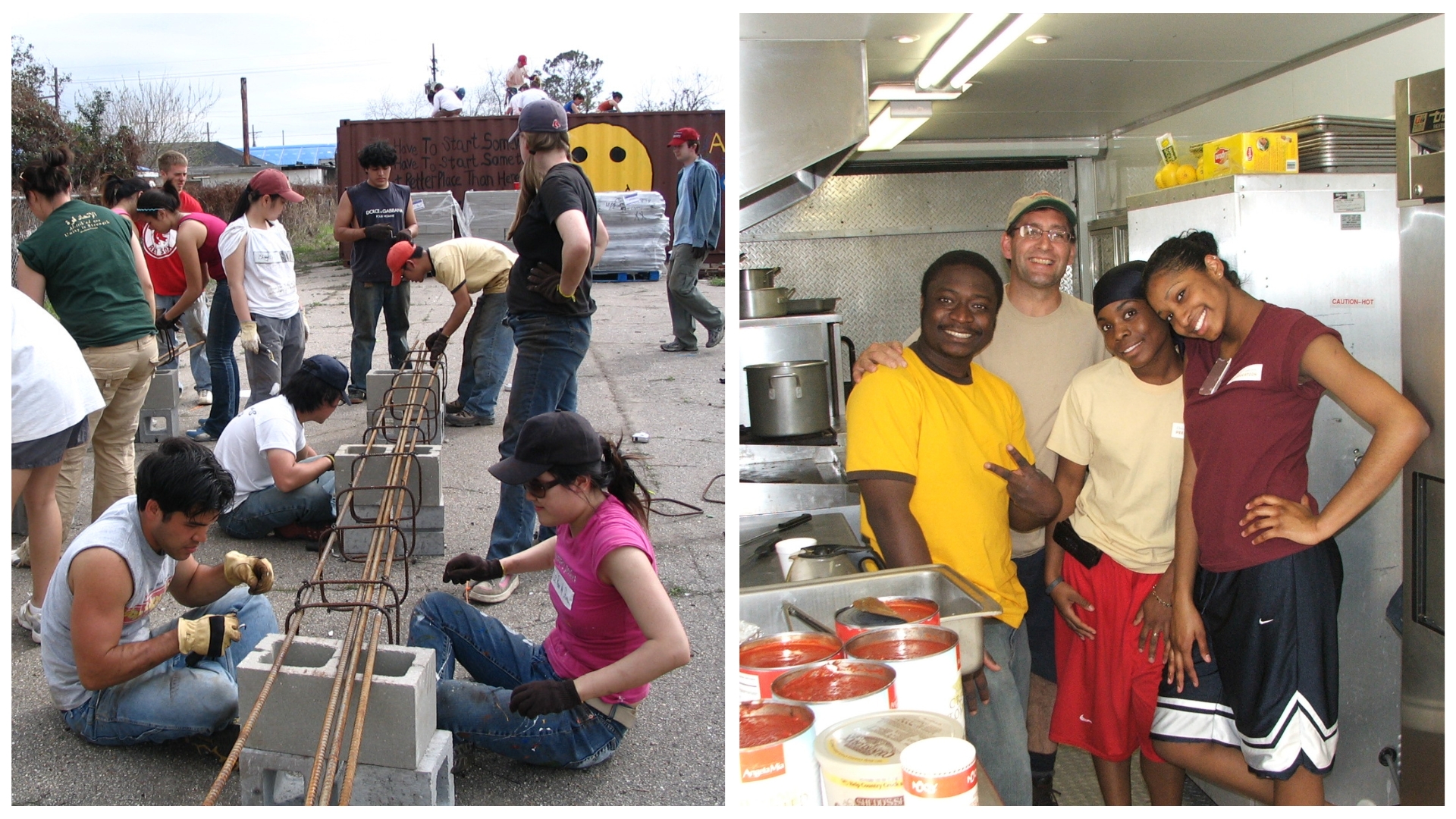
Laura said InterVarsity's long-term commitment was exactly the kind of partnership the neighborhood needed.
"InterVarsity has been sending people since very early on. There's a huge difference between first response and long-term response,” Laura said.
Reflecting on his 20-year partnership with ServeUp, pastor of Gentilly Baptist Church Dennis Cole said one thing will stay with him: "The relationships. Seeing people start as students and come back to lead groups from InterVarsity New England."
These long-term partnerships also created mutual blessings as nonprofit leaders to church pastors to homeowners, community partners played an essential role in students’ discipleship during their ServeUp experiences.
From Relief to Restoration and Transformation
ServeUp was more than just a service project. Over the years, it became the primary way InterVarsity New England evangelized and developed students as servant leaders.
As one of ServeUp's founders, InterVarsity Area Director Tom Brink, said, "For the first few years, there was no strategy, just disaster relief.”
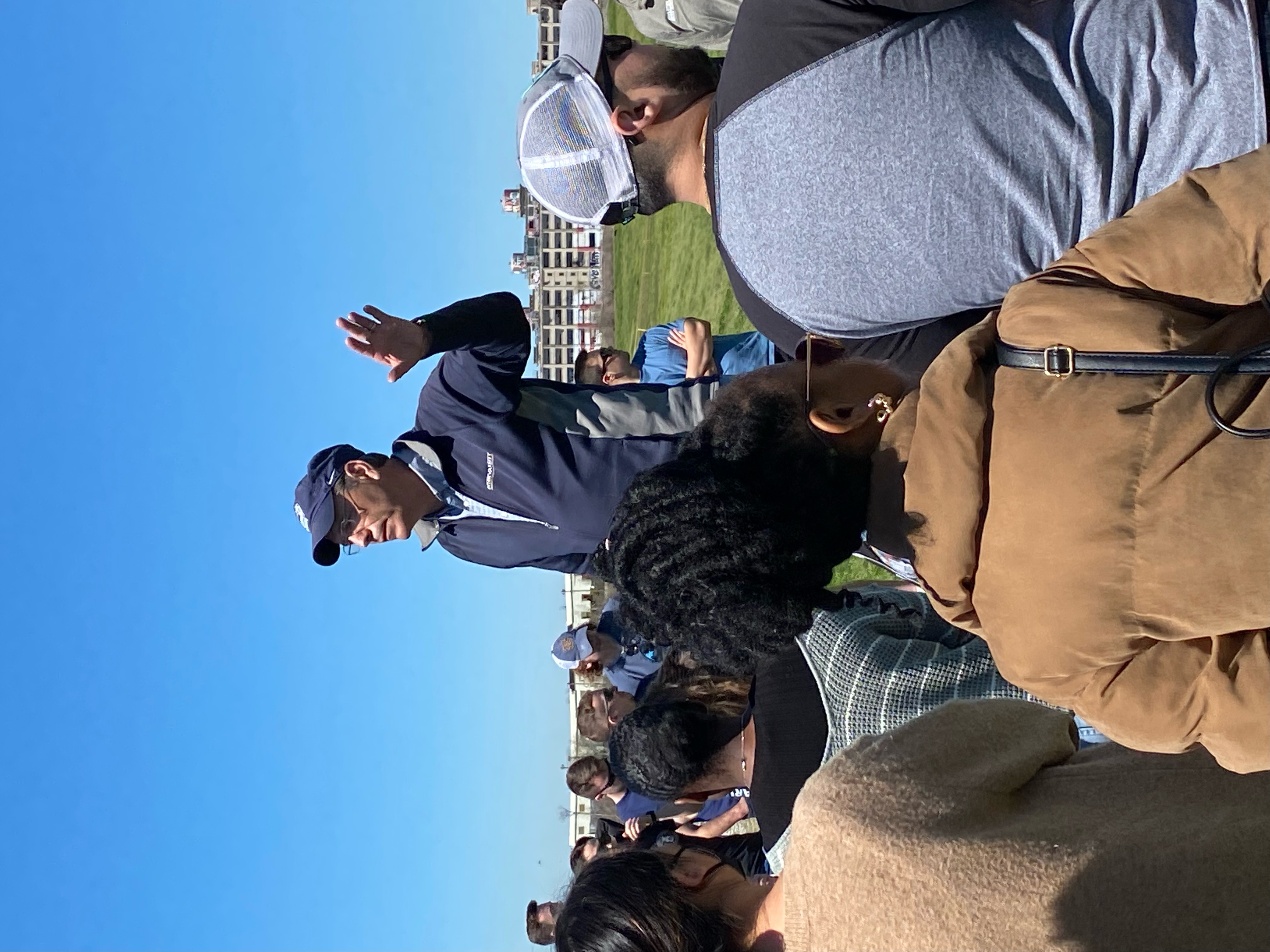
After some years, InterVarsity staff noticed how students responded to learning about the realities of injustice in New Orleans while living and serving alongside affected residents. Some encountered issues of systemic injustice for the first time.
Regardless of their religious, ethnic, or socioeconomic background, ServeUp students worked beside people they had little in common with, including local partners, church members, InterVarsity staff, construction workers, and students from other campuses.
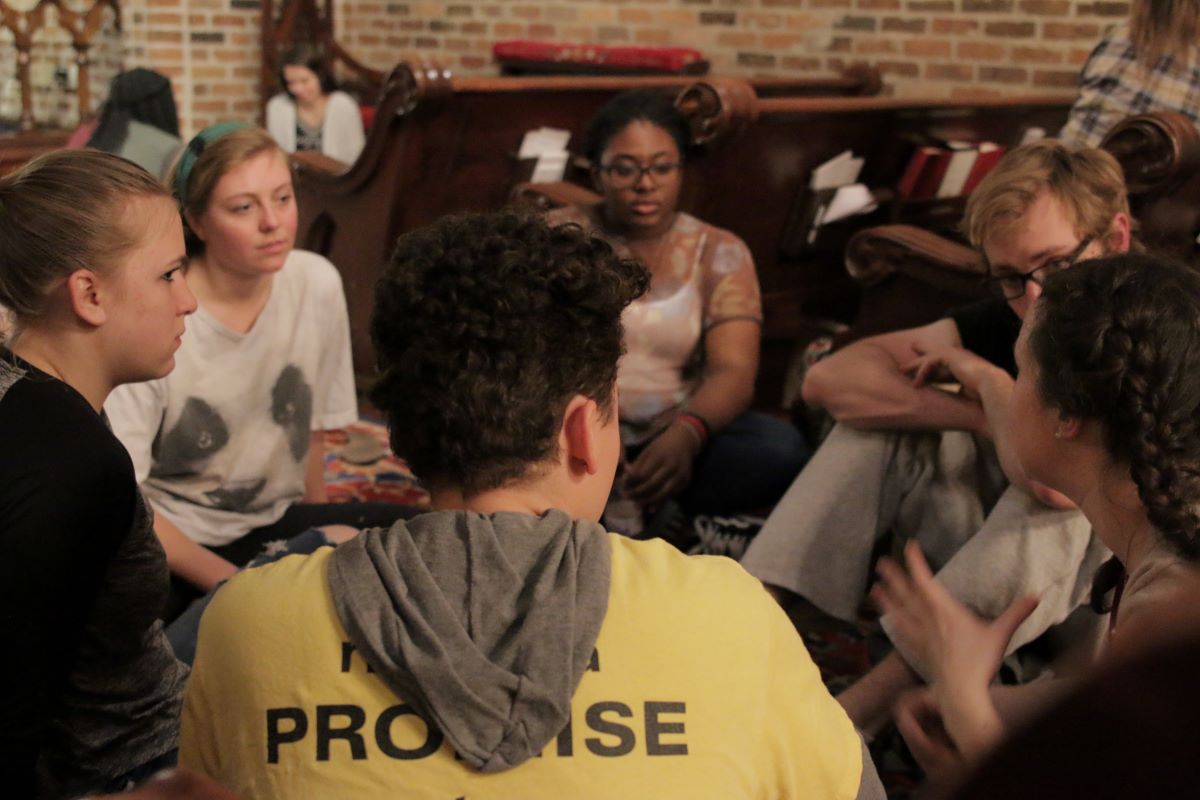
These experiences produced openness and spiritual curiosity.
“We’re forced to be uncomfortable together. It’s not a 5-star hotel. We eat meals in the gym. I think there’s something raw and real about that.” explained Koki Hayashi, a campus minister at Clark University and Worcester Polytechnical Institute.
Amid the rawness, unlikely friendships formed — quiet, bookish students befriended football players, Muslim students from the Northeast got along with construction workers from the Bible Belt, homeowners bonded over meals they cooked for Harvard students — through honest conversations and a shared purpose of helping others.
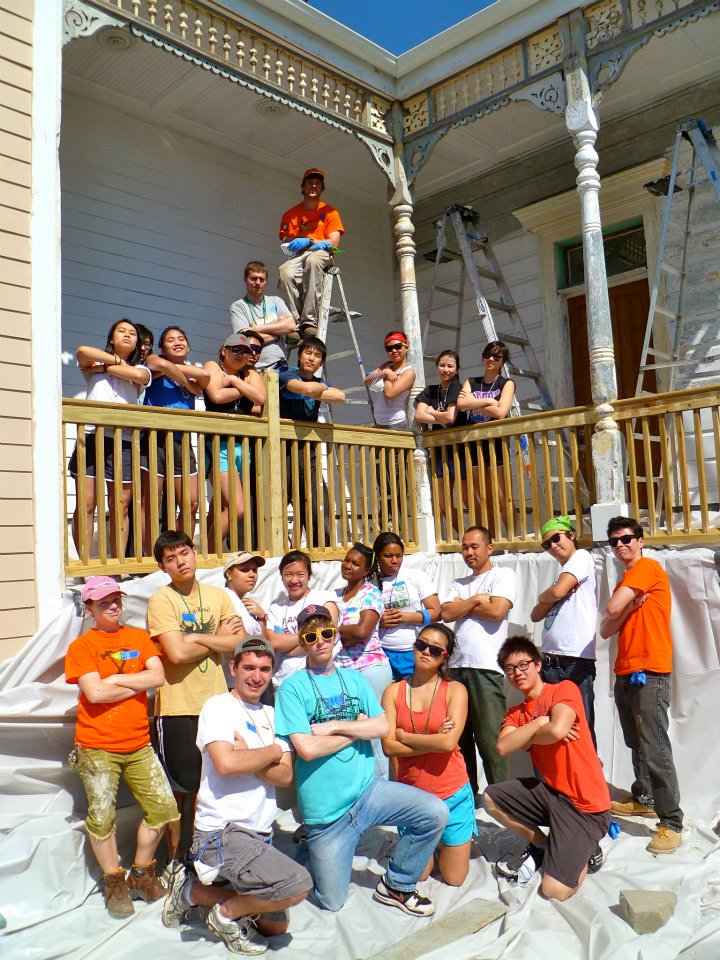
Many students began seeing Jesus in a new light.
“We've had international students who have never heard about Jesus come, learn who he is, and get curious. I've seen students who have been really hurt by the church come to ServeUp and experience a safe space where they can trust Christians again.” Mollie Clark, InterVarsity staff at Endicott College and Salem State University, said.
When students went on ServeUp and returned to campus, they brought with them more than just memories of a week of service. They returned with a deeper understanding of what it means to follow Jesus and renewed commitments to make him known on campus.
"It's one thing to tell people that you love them and that Jesus loves them,” explained Destiny, a student who attended ServeUp 2026 for the third consecutive year. “But it's another thing to put that love into action by volunteering your time and energy to serve people who are in need.”
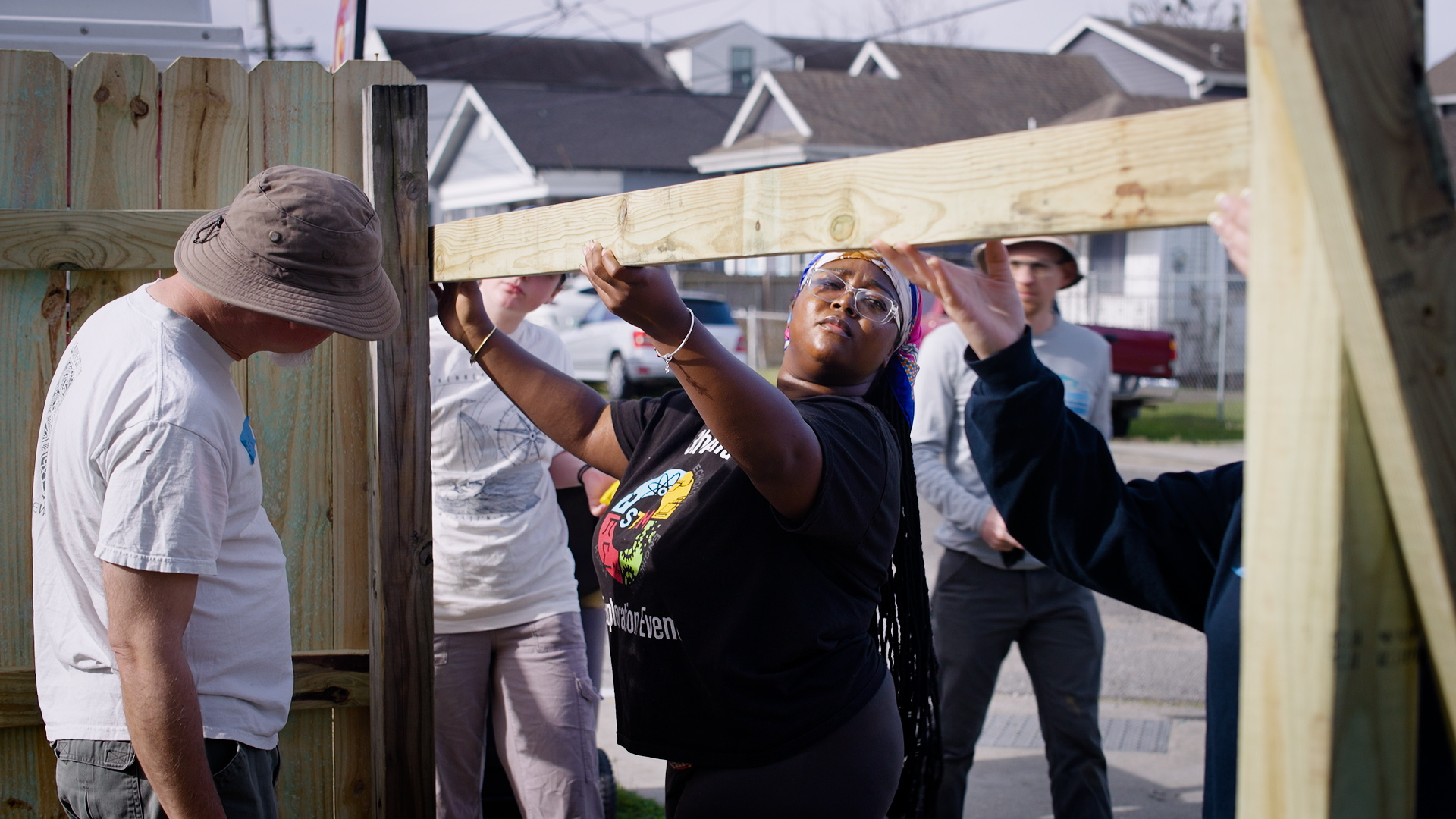
It even became common for students to change majors after ServeUp. Sherdren shared about an InterVarsity student from Brown University who was so impacted by ServeUp that she returned to New Orleans to intern at a local church and then went on to work for the city after graduating.
“Young people come with a career track in mind and then are confronted with some things they may not have considered like, ‘How do I really want to use my gifts and talents?’” she said.
As ServeUp grew, so did the amount of non-Christian students who attended, drawn by the trip’s themes of justice. Over time, the goal became to have non-Christian students make up 50% of the participants, with InterVarsity staff calling it “a mission trip within a mission trip."
Every night, students debriefed their experiences from the day and participated in a community discussion and manuscript Bible study.
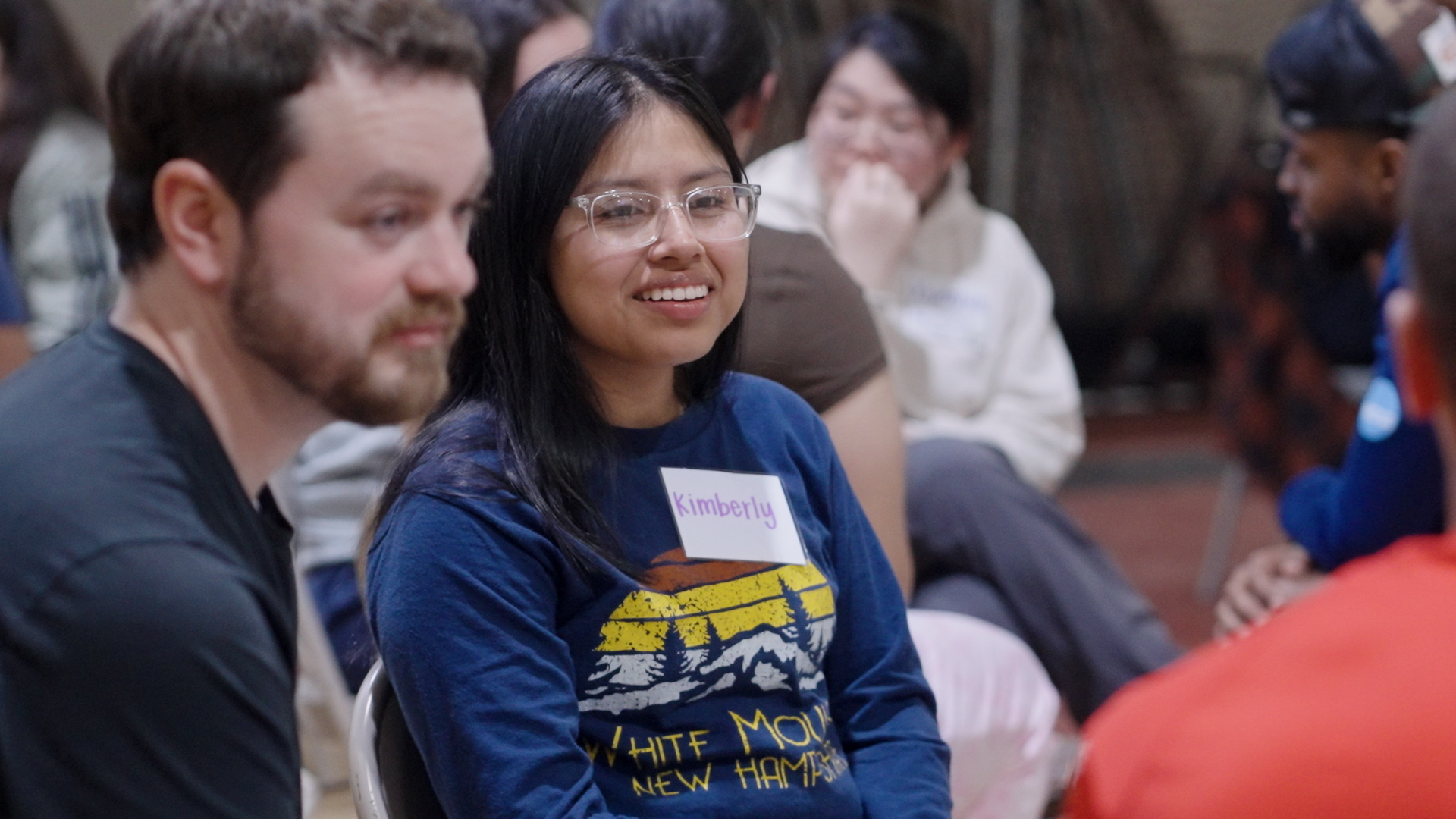
“Some of them have never been in a Christian space, would never attend a Bible study or step foot in church, but they’ll come on Serve Up,” Rachel Dean, InterVarsity staff at Salem University, said.
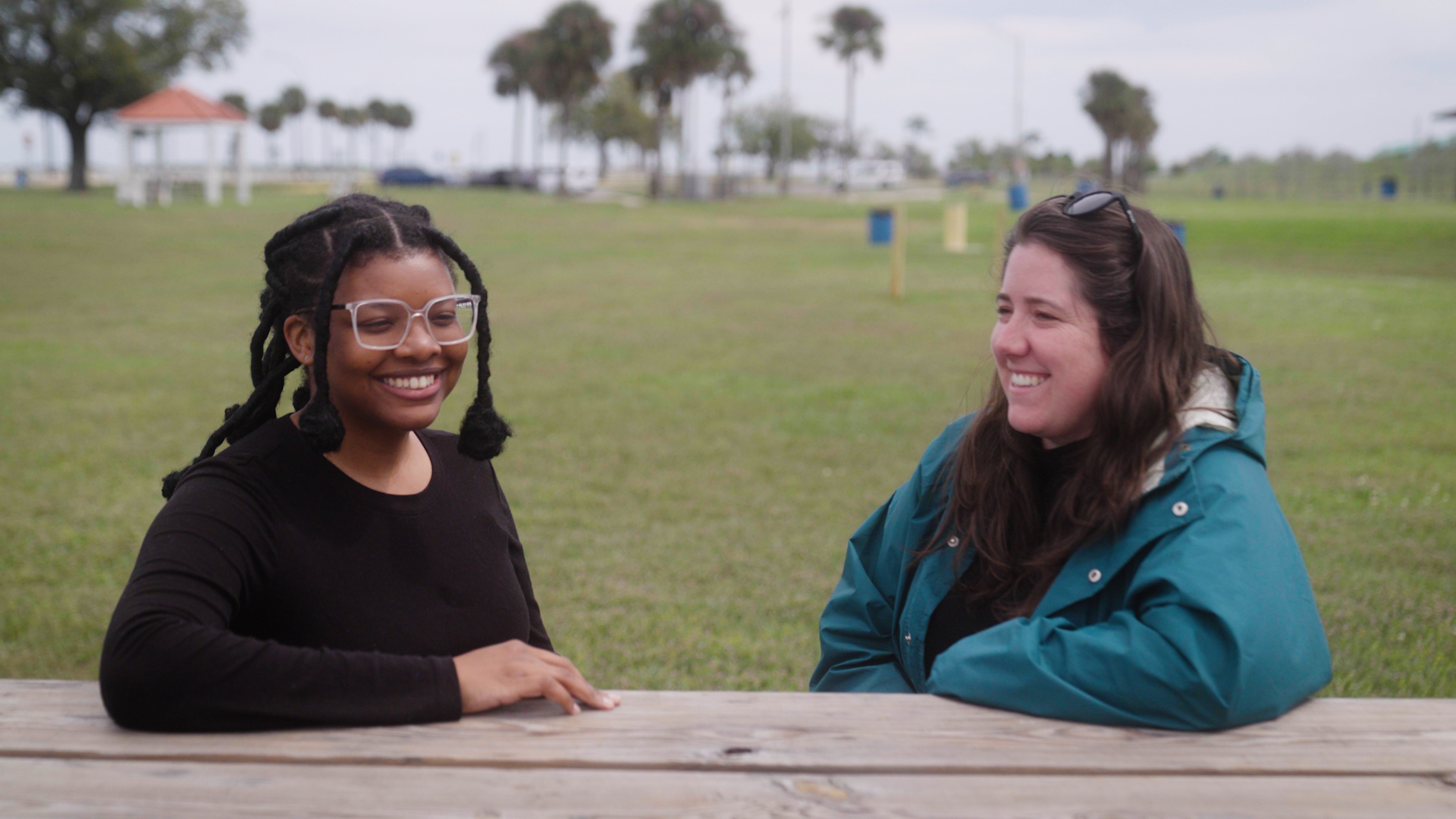
Koki himself wasn’t a Christian when he attended ServeUp as a student. Through the trip, he not only came to faith in Jesus but also eventually joined InterVarsity staff.
"Without ServeUp, I don't think I would have considered Jesus applicable to my life," he said.
Similarly, Sommer Hayes, now a campus minister at Amherst College, was in a faith crisis when she was a student at ServeUp. In her own doubts about God, her InterVarsity chapter was also experiencing tragedy.
“The conversations we had at ServeUp prepared us to walk with our friends as they were planning friends’ funerals, as their parents were passing,” said Sommer. “Because of ServeUp, there was a community of us who knew how to love and stand with each other through that. I think me and my friends may not be following Jesus if we had gone through those seasons without ServeUp.”
Celebrating 20 Years of Impact
While celebrating 20 years of ministry through ServeUp this past March, InterVarsity staff repeatedly described it as a “microcosm” — a single week that reflects the best of InterVarsity's ministry through justice, leadership development, Bible study, evangelism, multiethnicity, and service. It’s why ServeUp continually drew hundreds of students to give up their spring breaks and even led them to serve in other communities affected by natural disasters.
As InterVarsity in New England concludes its 20-year commitment to the city of New Orleans, its legacy will live on through the hundreds of students who came to recognize Jesus as Lord, the servant leaders it shaped, the partnerships it cultivated, and the mutual blessings shared with community members.
To support InterVarsity's ministry to students on campuses across the country, donate here.

Related Content

Andrew McDowell, an InterVarsity alumnus of Occidental College, experienced Jesus through InterVarsity in a way that shaped the rest of his life.
Related Content

On the Purdue campus, every Panhellenic sorority has a Bible study and so do over half of the fraternities. Fueled by spiritual hunger and steady discipleship, Greek InterVarsity at Purdue is training and sending students to their houses to love and witness to their friends, until “every Greek is one friend away from Jesus.”