What Do Students Really Think About AI?

“The worries of AI outweigh the potential benefits in my mind,” Ian, a medical student in Wisconsin, said.
Artificial Intelligence is inescapable. AI songs flood our social media apps, AI videos spread misinformation, and soon enough, AI-written books will dominate the self-publishing world.
“Whether I’m intentionally looking for it or not, AI seems to find its way into my technology usage,” Alayna, an education major, said.
On campus, the consequences of AI — both good and bad — are even more apparent. College administrators have quickly created policies around usage, and students have to contend with how the technology will impact mental health, job displacement, creative and cognitive development, and the environment.
While these impacts deserve our attention, InterVarsity’s ministry is already shaped by practices that nurture students’ well-being and help them navigate the growing influence of AI.
Mental Health and Social Development
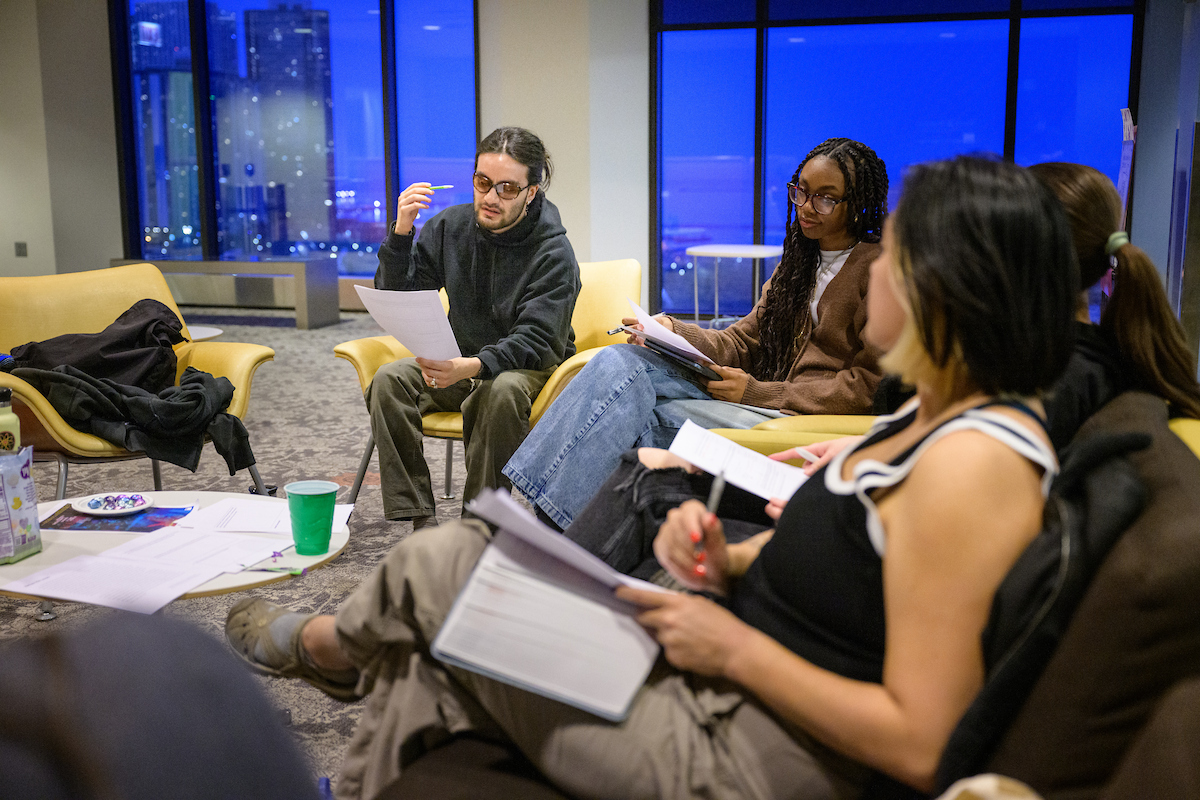
“Some people are probably in their rooms talking to ChatGPT [right now] and being secretive about it,” Jordan, a social work major, said.
One of the most popular uses of ChatGPT is, in fact, therapy and companionship.
While this might sound helpful (free, unlimited therapy! Accessible companionship for those struggling with loneliness!), prolonged interaction with chatbots can lead to what clinicians call “AI psychosis.” Some users develop serious delusions because chatbots mirror tone and tend to escalate distorted beliefs, which can lead to risk of psychosis, suicidality, and even murder-suicide.
While the findings don’t suggest a widespread causal link, they do raise concern about the danger chatbots pose to vulnerable individuals. At their current state, chatbots aren’t meant to provide professional therapeutic help; they’re meant to maximize engagement.
College students can be susceptible to these issues, causing them to miss out on opportunities to grow friendships that improve mental and physical health during this crucial window for developing social skills:
- NSSE data shows that students who engage in meaningful peer interactions report higher academic success, a stronger sense of belonging, and better post-college outcomes.
- A 2025 study found that university environments allow students to develop “diverse relationships fostered by classes, clubs, and communal living.”
- According to a 2024 national wellness study, “students say they turn to their peers for mental health advice and information more than faculty or staff,” and “among students who reported positive feelings around their lives and future lives, they were more likely to feel thankful, happy, and connected to their peers.”
Jordan says AI helps him de-clutter his thoughts when he feels overwhelmed. But he does have a caveat: “Have that balance. Be in your human life, socializing with other people.”
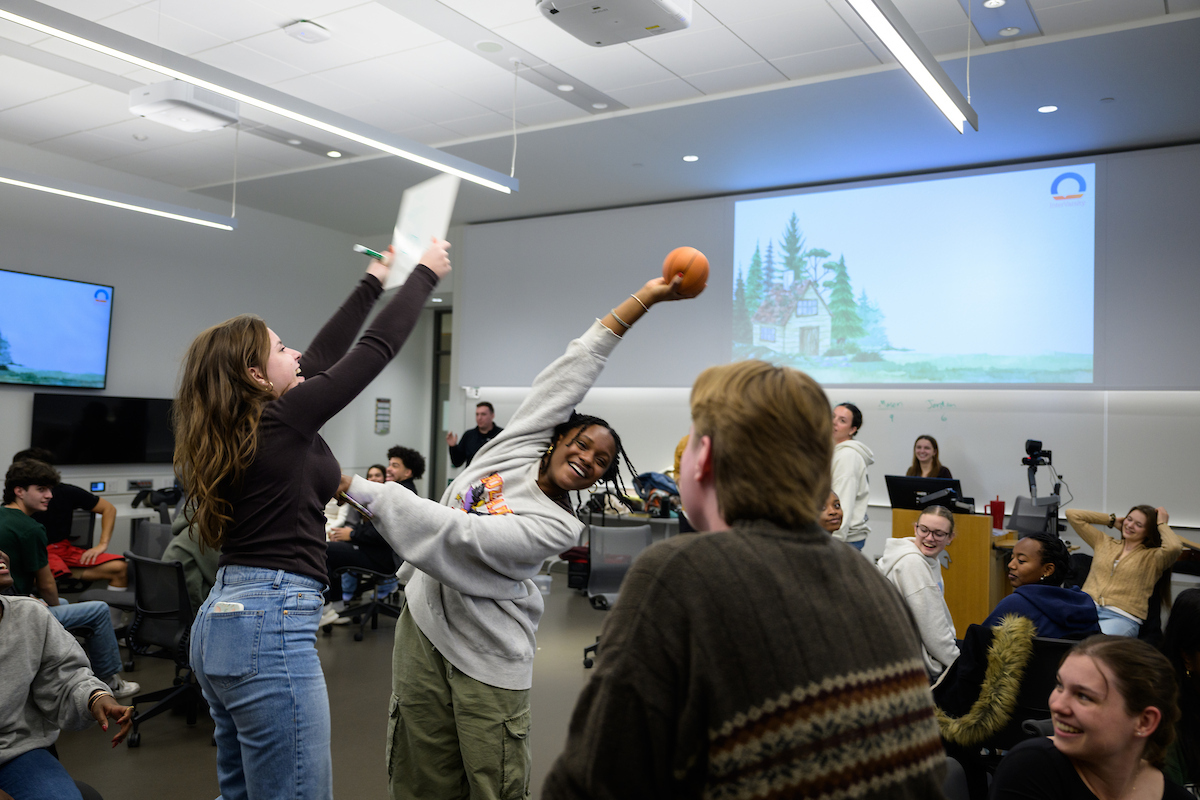
For InterVarsity’s ministry on campus, and with community being the heartbeat of our ministry, these realities present us with opportunity, not panic.
First, campus ministers encourage students to take an honest look at their AI usage and to set limits. Then, we do what we have done for decades and invite them into a consistent, embodied community where real conversations with real people will always beat a chat session with a bot.
Job Displacement and Supplementation
As students invest time and money into degrees related to communication, business, or technology fields, AI’s potential to automate roles in these fields can cause serious concern.
One study identified 40 occupations with high potential to be displaced by AI, including interpreters, writers, customer service representatives, sales representatives, and certain teaching and analyst positions. Although it’s still early, at the very least, many jobs can be supplemented by AI, which causes anxiety for students currently in college.
“I am most worried about AI interfering with students studying to be doctors and progressing towards a career they are not 100 percent educated on,” Colby, a health sciences major, said.
Ian, however, said, “The nuance of human relationships as well as the large amount of social factors that play into health leave me with hope that people will seek out people for their care instead of an algorithm.”
Looking ahead at her future as a teacher, Alayna is also worried that AI will interfere. “There’s only so much that technology can observe about student knowledge, so trusting it to determine and pace student learning is risky,” she said.
A 2025 survey found that while more than 60% of 1,000+ global executives had reduced headcount or slowed hiring due to anticipated AI impact, only about 2% cited layoffs directly tied to AI-delivered results (i.e., an AI tool replacing an actual person). But much about how job markets will be affected is still unknown.
“It seems a lot of companies believe they can replace lucrative positions like Software Engineers with an AI,” a computer science major from the University of South Florida, said. “I see it advancing [computer science] heavily but not outright replacing it. This does mean the job market will be much more competitive.”
As AI reshapes the job market, our campus ministers sit with students in their anxiety. They also disciple them into people whose identity is rooted in God’s love, rather than a job title.
AI may mean that some students will have to pivot their majors or career goals. It may mean giving up certain dreams in favor of others. But even as technology advances, students should remember that their ultimate purpose is to point to Christ in everything they do, working with excellence to reflect his glory. Many InterVarsity alumni model this well, showing just how creatively and faithfully vocation can be lived out.
Creative and Cognitive Development

Creative industries, like video production, digital art, and writing, are not spared from AI’s impact. An ABC News report explains how Sora, a text-to-video platform, can generate lifelike videos from simple prompts. While Sora videos are often considered “AI slop” that very few people appreciate or value, AI-generated videos are becoming more realistic. New ethical questions have also arisen over the use of real images of people without their consent and of “AI art” stealing work from real artists. When it comes to writing, many feel that AI-assisted writing produces uniform results that students can identify.

Some research argues that generative AI may already be reshaping cognitive habits, causing people to practice skills like analytical writing, brainstorming, and creative problem-solving less frequently.
Alayna confirms that students are already recognizing the ways AI is reducing our ability to think analytically.
“I’m worried that a growing reliance on AI will make our generation lazy and overlook the reward of independently completing tasks, even if they may seem mundane,” she said. “The brain is a muscle that needs to be exercised. So if we only use it for the heavy-lifting tasks, then I fear we’ll be less effective at creating and problem-solving.”
Colby shared similar sentiments: “I am worried that humans are going to become too reliant on it for critical thinking and everyday tasks, bypassing the need for creativity.”
MIT experiments found that students who used AI tools like ChatGPT demonstrated lower brain activity, and that early reliance on AI reduced neural engagement and memory recall — a phenomenon researchers call “cognitive debt.”
For this reason, many professors restrict AI for class assignments and exams.
“If we get caught using any AI through any detector, they'll flag the assignment. Some teachers allow us to use it, but it depends on the specific assignment,” Jordan said. “Some people use it as a way to cheat and not learn anything.”
On the other hand, students and professors are finding creative ways to use AI to actually enhance learning, with many citing it as a helpful study tool.
For anyone trying to minister to or reach Gen Z students, it’s important to know they can smell AI from a mile away, so we have to be cognizant of our own usage. Particularly with Gen Z’s high value for authenticity, human-created media will work better to disciple them and express our care for them more than an algorithm ever can.
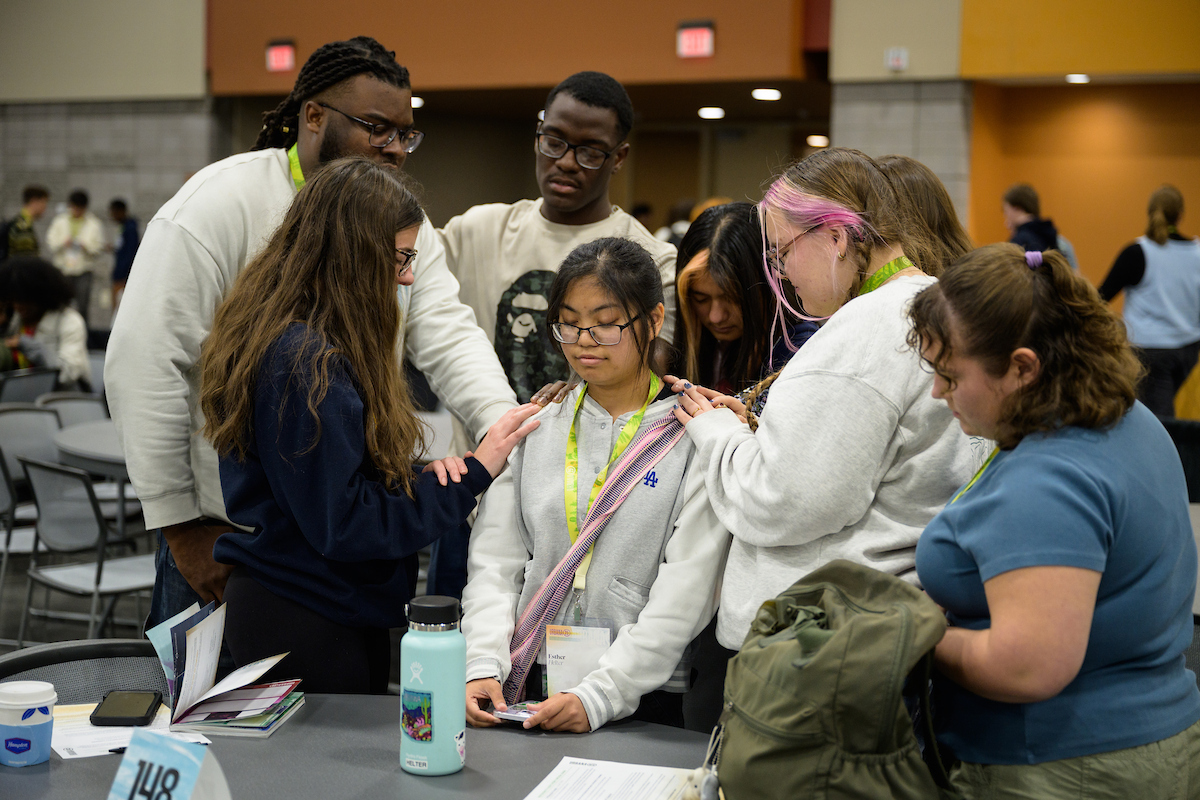
There’s also the importance of recognizing and upholding the value of art itself. Engaging in creativity helps people connect to the Creator himself. But if art is meant only to be consumed, then we might as well let AI conquer it all. The process of creating something enhances our human experience and aligns with our God-given purpose on earth.
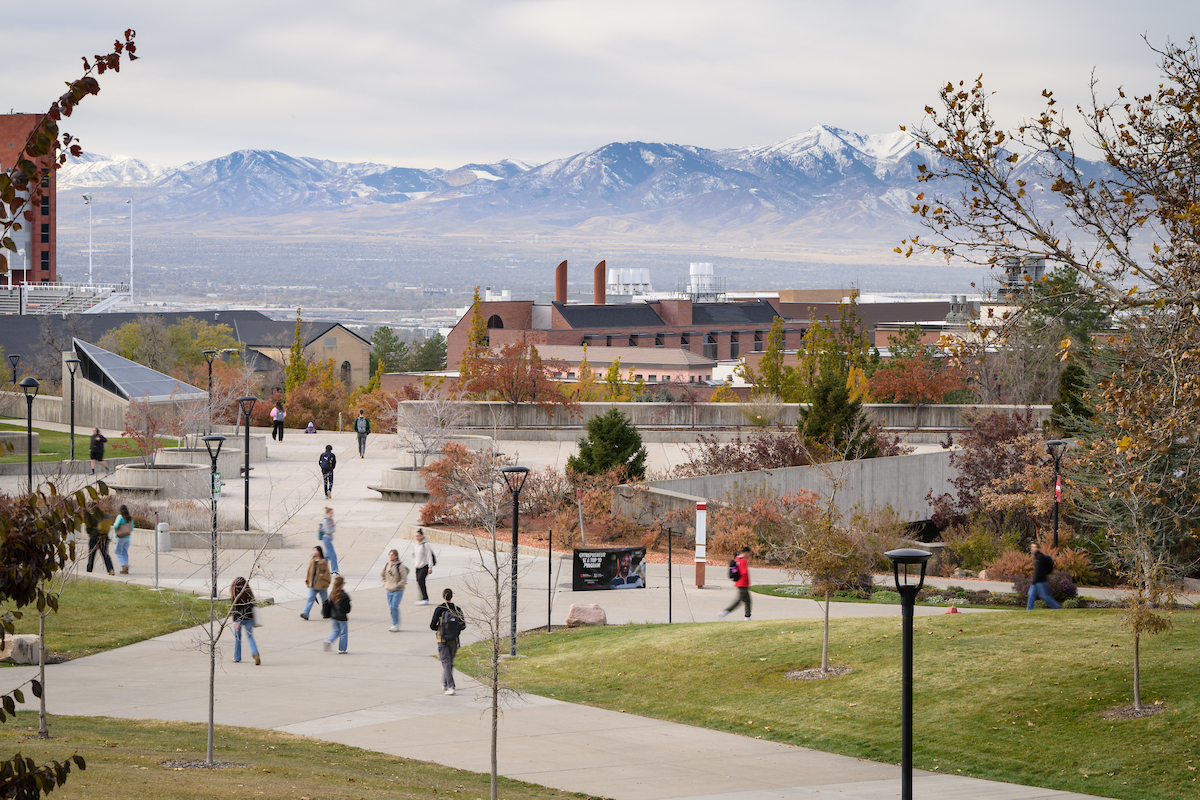
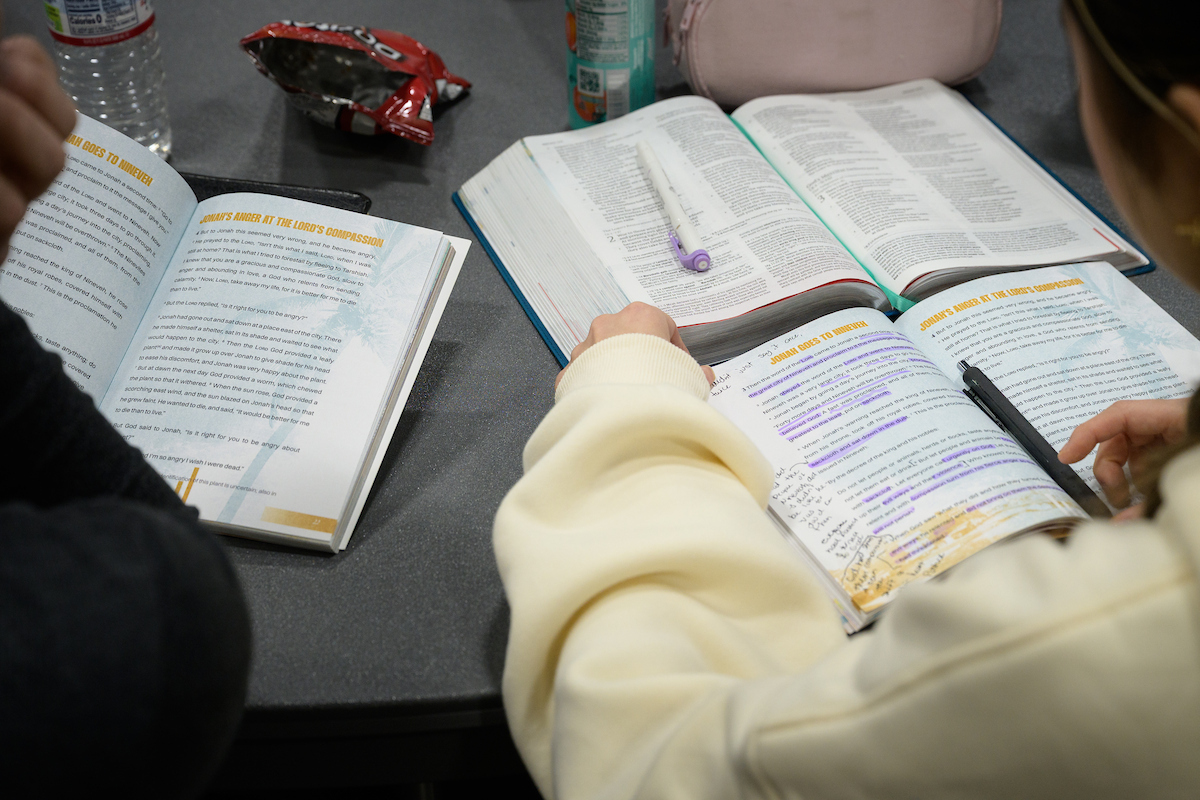
As for combating the cognitive impact of AI, InterVarsity continues inviting students to Bible studies where they think deeply about the meaning of Scripture, its context, and its relevance. Manuscript Bible studies rarely ever involve the use of technology, and a weekly rhythm of gathering, discussing, and learning alongside others reminds students of the value of intellectual curiosity and growth.
The Environment
“A few years ago, people did care about the environment more, but now everyone is just so consumed by other things that they aren’t taking the time to think about how their actions do affect the environment,” Hailey, a biomedical sciences major, said.
Another concern Gen Z has about AI is its environmental consequences, which are mainly seen through the operation of data centers. New sites are being constructed at a rapid and unsustainable rate and demand a staggering amount of electricity, leading to increased carbon dioxide emissions. Servers produce hazardous electronic waste, like mercury and lead, which are released into the environment. Then, as AI models progress, the need for even more energy increases.
Data centers also require enormous amounts of water to keep their hardware cool — a growing concern in a world where a quarter of the population still lacks reliable access to clean water.
But like everything mentioned, AI could be used to aid the environment if properly monitored, such as using it to map the destructive dredging of sand and chart emissions of methane.
InterVarsity has a long history of addressing issues of injustices, and the environment is no exception. By forming students with a theology of creation care, campus ministers offer opportunities for local cleanups and other volunteer opportunities. Serving the local community in this way not only instills in students a sense of responsibility over God’s earth but also shows them that believers can work together to meaningfully tackle injustice.
Following an Unchanging God
“The hope I have is that ethics usually lag behind new technology. As time continues, these will balance out, and AI will be used supplementally instead of being used as a replacement,” Ian said. “I’m optimistic that as a society we can find a balance of embracing it with caution.”
As with any new technology, fear often accompanies change. Social media presented similar fears in the 2010s, especially with the introduction of smartphones. While social media gave people the ability to reconnect with friends and family, have infinite access to world news, gain career opportunities, etc., it didn’t come without significant sacrifice and may be responsible for the devastating mental health crisis that young adults are still coping with today.
Regardless, AI will permeate society and our lives. So, the true question for anyone who cares about the spiritual, mental, social, and physical health of young people becomes, How can we help?
Whether it’s through embodied community, Bible study, discipleship, or learning about justice, creation care, or the imago dei, we can help students make wise decisions about their technology usage. We can also be wise about how our own AI usage may attract Gen Z to our ministries or cause them to reject our invitations to learn about Jesus. We must recognize the difference between technology that makes certain tasks easier and technology that diminishes humanity.
More importantly, though, we can remind students that no technology will ever replace or alter our God — his character, our dependence on him, and the peace and purpose he gives to all who follow him, even in a constantly-changing world.

Related Content

InterVarsity supports Gen Z by inviting them into vibrant, in-person communities and by giving them tools for holistic spirituality. But to do that well, it’s important to understand some of the underlying challenges contributing to Gen Z's struggles with mental health.